


Brew. Bond. Bend.

"Reimagining Coffee as a Catalyst for Social Wellness"
Team
Vaibhavi More | Tanisha Darshani | Mahika Joshi | Kevin Keil | Poornima Santhanam
Role
Design Strategist | Product Marketing Lead | Business Designer
Project Overview
Puck It! is a strategic service-design intervention that transforms the traditional coffee ritual into a holistic social wellness experience for Gen Z. By moving beyond the saturated "caffeine-only" market, this project introduces a A event platform that combines healthy, curated coffee menus with active wellness rituals-bridging the gap between a daily energy boost and a meaningful community connection.
The Opportunity
While coffee is a global daily ritual, Gen Z increasingly perceives it as an unhealthy, anxiety-inducing caffeine boost. The market is saturated with traditional cafes, yet there is a significant lack of services that facilitate healthy consumption in a personalized or community-driven way.
The Market Gap
Health Stigma:
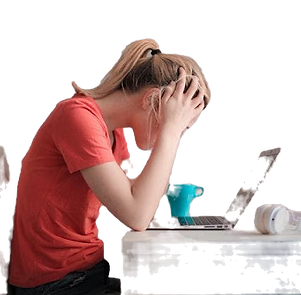
Gen Z often associates coffee with "jitters" rather than wellness

Loneliness Epidemic:
A need for authentic, social spaces that aren't just for productivity.

Saturation:
Existing wellness coffee options exist only as products (supplements/RTDs), not interactive experiences.

Through Porter’s Five Forces analysis and competitor benchmarking, we identified a "Blue Ocean" opportunity where there is a clear absence of experiences that reframe coffee as a healthy, intentional, and social ritual
The Approach: From Insight to Strategy-Led Discovery
Our approach was a structured exploration from discovering the gap in the industry to finding the most appropriate design systems that can deliver the value for customer as well as the business. This was a multi-stage iterative process with rigorous research into all aspects of a business innovation.
Phase -1: Market Identification
We began with extensive market research, using frameworks like a 2x2 matrix and SWOT analysis to evaluate industries and to find strategic opening. This led us to focus on "Health and Wellness in Coffee" through trend analysis and plotting them on scope vs impact matrix, we found the most relevant trends that could shape our opportunity.
This gave us our first opportunity statement: Enhancing the health and wellness benefits of coffee for Gen Z by reimagining the coffee experience beyond conventional wellness brands.
Key Insight
Coffee culture is ingrained, but the service sector around healthy coffee remains underdeveloped.

We knew the ‘What.’ It was time to meet the ‘Who.’
Phase 2: Defining the Archetypes
To move beyond generic data, we conducted 12 in-depth interviews and gathered 145 survey responses. This allowed us to synthesize our audience into three distinct mental models, ensuring the service was designed for specific human needs rather than a broad demographic.
We identified three distinct user mindsets:

The Routineers: Rule-followers who prioritize scheduled wellness rituals.

The Palette Pirates: Media-savvy explorers constantly seeking the "next new thing".

The Inner-getics: Conscious consumers who value "vibes" and inner balance.
Key Insight
Discovered Gen Z views coffee as a "social anchor." The opportunity was not in selling better beans, but in facilitating a healthier, more connected ritual.
The mindsets were clear. Now, how do we design a ritual that bridges the gap?

Phase 3: Strategic Validation, Pivot & Testing
Our process was a rigorous exercise in testing assumptions. We moved from abstract concepts to a high-fidelity service ecosystem through constant real-world feedback.
Market analysis revealed a saturated "Product" landscape (RTDs and supplements). We pivoted to a Service Experience model, creating social connection is the primary value. We iterated the website platform ten times based on moderated usability testing at student hubs like Carnival Lounge and Forsyth Park.
Here, we used business model canvas and revenue forecasting to find the break even, required funding and go-to-market strategy.
Key Insight
By prioritizing radical transparency in our menu and simplicity in our event booking, we moved from being just another "coffee brand" to a community-trusted wellness partner.
The Solution: "Brew. Bend. Bond."
The final solution, Puck It!, is an event-based community platform that partners with local mobile coffee carts to host social wellness gatherings in public spaces like parks.
The Ecosystem,
The Event: Traveling pop-ups featuring "sweaty fun" activities (Yoga, Pilates) followed by healthy coffee tasting.
The Barista Network: A stage for local baristas to showcase functional, health-forward brews (adaptogenic blends, low-caffeine options).
The Aesthetic: A bold, "messy-good" brand identity-red and muted tones-that feels edgy and authentic rather than judgey or "yoga-perfect".


Puck it! stands by,

Innovative
(W)holistic
Engaging
%201.png)
Glance of our website,


We re-imagined our final website after the usability testing findings. We included our logo, and made the home page strong, simple, bold and popping. The background image reflects the visuals of what a Puck it! event can look like, and it seemed to be working out.
We made the sign up section pop out more with color, and kept the “What makes us unique” section so that users know exactly what makes us different from any social club, cafe, or fitness center.


What is Puck it?


Impact & Reflection
This project taught a design of a business from scratch when you don't start with a problem instead you look for opportunities within a particular industry by looking at business environment, trends, market dynamics and take decisions based on what the data tells you. It reinforced my belief that research creates the strongest foundation for log-term decision making that leads to sustainabile business opportunities. This gave me a toolkit for business innovations from real user research and ethnographic insights that directly impacted the core value proposition of our proposed business venture. This project challenged me to scale my architectural thinking into Business Design. Transitioning from physical structures to community structures, I learned that failure is an essential part of the process—pivoting from a product to a service allowed us to find the "White Space" in a crowded market. As a Design Manager, my goal is now to ensure that the most sustainable, healthy choice is also the most fun and socially rewarding one.